A south-facing bedroom that stays above 25°C long after sunset, a conservatory that becomes unusable by lunchtime, or an office where staff lose focus every warm afternoon: these are the situations that make people ask, is air conditioning worth it? For many Essex homes and businesses, it is no longer a luxury question. It is a practical decision about comfort, sleep, productivity and how a property performs through increasingly warm summers.
The right answer depends on the space, how often it overheats and what you expect from the system. A well-specified air conditioning installation can provide years of dependable cooling, cleaner filtered air and, in many cases, efficient heating too. But it needs to be sized and installed properly to deliver genuine value.
Is air conditioning worth it in the UK?
Yes, air conditioning is often worth it when heat regularly affects how you live or work. Portable fans move warm air around the room, while a professionally installed fixed system actively removes heat and controls the indoor temperature. That difference is most noticeable overnight, during heatwaves and in rooms with large areas of glazing.
The UK climate is still variable, so not every property needs cooling in every room. A small, shaded home that remains comfortable naturally may be better served by effective ventilation, shading and insulation improvements. However, properties with loft conversions, south or west-facing bedrooms, home offices, extensions and open-plan living areas can become uncomfortably hot for weeks at a time.
For businesses, the case can be stronger. A warm salon, shop, clinic, server room or office can affect customers, equipment and staff performance. Reliable temperature control helps create a more welcoming environment and avoids the disruption caused by temporary cooling units that are noisy, bulky and often less effective.
What you receive beyond cooler rooms
The value of air conditioning is not limited to the few hottest days of the year. Modern split systems offer controlled, responsive comfort rather than an all-or-nothing blast of cold air. Once the set temperature is reached, an inverter unit adjusts its output to maintain it efficiently.
Better sleep and daily comfort
A cool bedroom can make a meaningful difference to sleep, particularly for young children, older residents and anyone working irregular hours. Heat retained in brickwork and roof spaces can keep bedrooms uncomfortable even after outdoor temperatures fall. Air conditioning gives you control when opening windows is not enough, or when traffic noise, security concerns or pollen make open windows less practical.
It also makes rooms usable at the times they would otherwise be avoided. A garden-facing extension, loft room or conservatory may be perfectly pleasant for much of the year but difficult to use on bright summer days. Cooling protects the usefulness of space you already own.
Heating when the weather turns
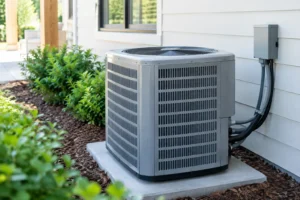
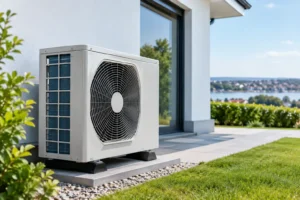
Most modern air conditioning systems are air-to-air heat pumps. This means they can provide warmth as well as cooling. They draw heat from outside air and transfer it indoors, making them an efficient option for quickly heating occupied rooms in spring and autumn.
This is particularly useful for home offices, garden rooms, retail premises and spaces that do not need the central heating running all day. It is not automatically a replacement for every whole-house heating system, but it can reduce reliance on more expensive direct electric heaters and improve comfort between seasons.
Filtered, drier indoor air
Air conditioning filters airborne dust and helps reduce excess humidity while it is cooling. That can make indoor spaces feel fresher and less sticky during humid weather. It is not a cure for damp or mould, which require the source of moisture to be addressed, but it can support a more comfortable internal environment.
For commercial settings, this matters as much as temperature. Customers notice when a waiting room, treatment room or shop feels close and stuffy. A properly maintained system helps maintain a consistently pleasant atmosphere.
The costs to consider honestly
The upfront price is the main reason many customers hesitate. Installation costs vary because every property is different. The number of indoor units, the distance to the outdoor condenser, electrical requirements, access, building layout and finish all affect the quotation.
A single-room system is generally the most affordable starting point. Multi-room installations cost more, but allow several rooms to be controlled from one outdoor unit. The best choice is not always to cool the entire property. Installing units in the bedrooms and main living area, or in the rooms that gain the most heat, can provide a better return than over-specifying the project.
Running costs depend on the unit’s efficiency, room size, insulation, set temperature and how long it operates. Setting the system to a sensible, steady temperature is usually more economical than repeatedly switching it on at maximum output after a room has become very hot. Keeping doors and windows closed while cooling, using blinds on sunny elevations and arranging regular maintenance will also help control energy use.
There is also an ongoing maintenance commitment. Filters need cleaning, and the system should be professionally serviced to protect performance, hygiene and reliability. This is a modest but necessary part of owning air conditioning. Skipping maintenance can lead to reduced airflow, higher energy use and avoidable repair costs.
When air conditioning may not be the right answer
Air conditioning is a strong solution for persistent overheating, but it should not be sold as the answer to every comfort problem. If a room only feels warm for an hour or two on a handful of days each year, external shading, improved loft insulation, ventilation upgrades or a quality fan may be sufficient.
It may also be sensible to deal with underlying building issues first. A poorly insulated extension, failed window seals or inadequate ventilation can undermine the performance of any cooling system. A professional survey should consider the room itself, not simply recommend the largest available unit.
Noise is another consideration. Quality modern systems are designed to run quietly, especially at lower fan speeds, but indoor and outdoor unit positioning matters. Bedrooms, neighbouring boundaries, planning considerations and the route for pipework should all be reviewed before installation. Good workmanship is what turns a capable product into a discreet, dependable system.
How to judge whether the investment makes sense
Rather than asking whether air conditioning is a luxury, consider the cost of continuing without it. Are bedrooms disrupting sleep each summer? Does your team struggle in a hot office? Are customers leaving sooner because the premises are uncomfortable? Is a conservatory, loft conversion or garden room going unused during the warmest part of the day?
The investment is easier to justify when the problem is recurring and affects a room you use regularly. It is also more attractive when heating functionality can be used outside summer. For landlords, an air conditioned property can improve tenant appeal, particularly where a flat has top-floor bedrooms or limited opening windows. For business owners, comfort can support staff retention, customer experience and the protection of temperature-sensitive equipment.
A free, no-obligation survey gives you the information needed to decide with confidence. A competent contractor will assess room dimensions, heat gain from windows, occupancy, insulation, electrical supply and the practical location of indoor and outdoor equipment. They should explain the recommended capacity in clear terms and provide a straightforward quotation with no pressure to buy more than the property needs.
Choosing a system that delivers value
The cheapest unit is rarely the best value if it is poorly sized, awkwardly located or difficult to maintain. Premium equipment, installed by experienced technicians, should provide quiet operation, reliable temperature control and efficient performance over the long term.
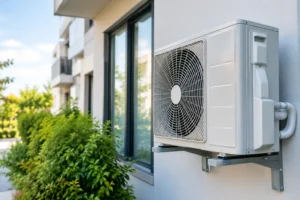
For homes across Essex, a wall-mounted split system is often the most practical option. It is compact, effective and suitable for bedrooms, living rooms, offices and garden rooms. Commercial properties may require several units, ceiling cassettes or a more tailored design depending on the layout and occupancy.
Ask about the manufacturer warranty, expected maintenance requirements, controls and whether the system provides both heating and cooling. Most importantly, choose an installer that will be available after the installation for servicing, repairs and advice. Essex Air Conditioning provides this full support, from initial survey through to ongoing maintenance, so customers have one dependable local point of contact.
If heat is affecting your sleep, work or customers year after year, air conditioning is likely to be worth serious consideration. The right system should feel like a quiet improvement to daily life: comfortable rooms when it is hot, useful heat when it is cool, and dependable performance when you need it most.