A hot upstairs bedroom, a south-facing office or a busy shop can quickly make air conditioning feel non-negotiable. The good news is that you can reduce aircon running costs without sacrificing the comfort that made you install the system in the first place. It comes down to how the unit is set, how hard it has to work and whether it is being looked after properly.
For homes and businesses across Essex, small changes can make a noticeable difference over a warm spell. Bigger savings often come from addressing an incorrectly sized system, poor airflow or an overlooked fault before it turns into an expensive repair.
1. Set a realistic temperature
The lowest setting on the remote is not the quickest or cheapest route to a comfortable room. It simply tells the system to keep cooling until it reaches that very low target, which can mean longer running times and unnecessary electricity use.
For most homes, a cooling setpoint around 23-24°C is a sensible starting point. In an office, retail space or other commercial setting, the right temperature depends on occupancy, equipment heat and the nature of the work, but aiming for a comfortable rather than chilly environment is usually more efficient.
Avoid large differences between the indoor and outdoor temperature. When it is 30°C outside, setting the air conditioning to 18°C puts considerable demand on the equipment and can make the room feel uncomfortably cold. Try adjusting the setting by one degree at a time. A modest increase is often barely noticeable to occupants but reduces the cooling load.
2. Use the right mode and fan speed
Modern air conditioning units do more than cool. The mode selected affects both comfort and energy consumption.
On humid days, dry mode can improve how the room feels by removing excess moisture. Because drier air feels cooler, you may be able to use a slightly higher temperature setting. It is not the best option for every situation, particularly when a room is genuinely overheating, but it can be useful during muggy Essex weather.
Auto fan speed is normally the most practical choice. The system can increase airflow while it pulls the room down to temperature, then reduce it once the target is reached. If a room is regularly occupied overnight, sleep mode can gradually adjust the set temperature and limit wasted energy while people are asleep.
3. Keep filters and indoor units clean
A blocked filter restricts airflow. The unit then has to run longer to circulate enough conditioned air, while dust and debris can also reduce air quality and create unpleasant odours. It is one of the simplest causes of avoidable running costs.
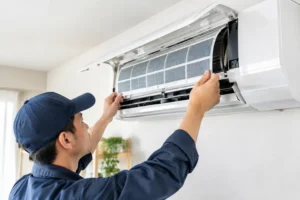
Check washable filters during periods of regular use and clean them in line with the manufacturer’s instructions. In a home with pets, near a busy road or in a commercial setting with higher footfall, they may need attention more often. Let filters dry completely before refitting them.
Do not stop at the filter. Dust around the indoor unit’s air inlet and outlet should be removed carefully, and furniture or stock should not block the airflow. A wall-mounted unit needs clear space to distribute cool air around the room. If it is blowing into the back of a sofa, a tall cupboard or stacked boxes, the thermostat may not get an accurate picture of the room temperature.
4. Reduce the heat entering the building
Air conditioning can only deal with the heat that reaches the room. If sunlight is pouring through unshaded glazing all afternoon, the system will work harder than necessary regardless of how efficient the unit is.
Close blinds or curtains before direct sun reaches the windows, particularly in south- and west-facing rooms. External shading can be even more effective where suitable. Keep windows and external doors closed while cooling is in use, and check that door seals are in good condition.
For commercial premises, look at the habits that add heat during the day. A frequently propped-open door, heat-generating equipment placed beside an indoor unit or a poorly ventilated stockroom can all increase demand. There may be a practical reason for each of these, so the answer is not always to change everything. It may be better to alter opening times, improve ventilation or position the air conditioning differently.
5. Run the system consistently, not excessively
Switching an air conditioner on only when a room has become stifling can force it to work at full output for a prolonged period. In regularly used spaces, setting a timer or schedule can be more economical. The room begins cooling shortly before people arrive, rather than trying to recover from hours of heat build-up.
That does not mean air conditioning should run all day in an empty property. For a home, programme it around the rooms and hours you actually use. For an office or shop, align schedules with opening hours and avoid cooling spaces long before staff or customers arrive.
Zoning is especially valuable in larger homes and commercial buildings. There is little sense in cooling meeting rooms, spare bedrooms or back-of-house areas when they are unoccupied. Multi-split systems and well-planned controls allow different areas to be managed separately, which can reduce waste without affecting the comfort of occupied rooms.
6. Check the outdoor unit has room to work
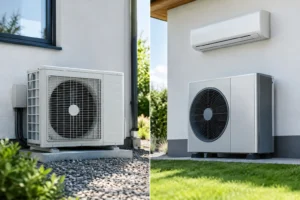
The outdoor condenser rejects the heat removed from inside. If its airflow is restricted, the system becomes less efficient and may struggle on the hottest days.
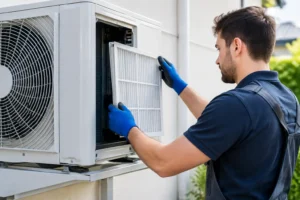
Keep leaves, garden debris and stored items away from the unit. Avoid enclosing it tightly or placing planters immediately beside it. The exact clearance required varies by model, so follow the manufacturer guidance rather than guessing. If the unit is exposed to significant debris, a suitable protective solution may help, but it must never obstruct airflow.
Unusual noise, vibration, water where it should not be, or a noticeable drop in cooling performance all deserve prompt attention. Continuing to run a struggling system can increase electricity use and place additional strain on key components.
7. Book regular professional maintenance
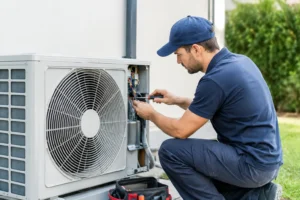
Cleaning a filter is useful, but it is not a substitute for professional maintenance. A service visit checks the parts that homeowners and busy facilities teams cannot reasonably assess themselves, including electrical connections, drainage, refrigerant performance, coils, fan operation and overall system condition.
An air conditioner with dirty coils, a developing refrigerant issue or a drainage fault may still appear to cool a room, but it can take longer and cost more to do so. Early attention can protect efficiency, improve reliability and reduce the chance of an inconvenient breakdown during the first hot week of summer.
Maintenance also provides an opportunity to discuss whether the current system suits the space. A unit that is undersized will run for long periods without achieving comfort. One that is oversized may cool too quickly, cycle more often and fail to manage humidity as effectively. The best answer depends on room size, insulation, glazing, heat-producing equipment and how the space is used.
When replacement could lower your bills
If an older unit requires repeated repairs, runs constantly or cannot maintain a stable temperature, replacement may be worth considering. Newer inverter air conditioning systems vary their output to match demand instead of repeatedly operating at maximum power and switching off. In the right application, this can offer more even comfort and lower running costs.
However, replacing a system solely because it is old is not always necessary. A well-maintained unit may continue to perform efficiently. A professional assessment should look at its condition, performance, repair history and suitability for the building before a decision is made.
For property owners and businesses in Essex, a free survey from Essex Air Conditioning can identify where energy is being lost and whether a maintenance visit, repair or revised system design offers the best value. Start with the settings and simple housekeeping, then act on any signs that your system is working harder than it should. Comfort should feel dependable, not costly.