A hot upstairs bedroom, a south-facing office or a busy café can become uncomfortable quickly when temperatures rise. The most useful aircon energy trends UK property owners should watch are not about running cooling all day at the lowest possible setting. They are about choosing correctly sized equipment, controlling it properly and maintaining it so that comfort does not come with unnecessary energy costs.
For homeowners, landlords and businesses in Essex, air conditioning is increasingly a practical part of building comfort rather than a luxury. Warmer summers, better awareness of indoor air quality and more people working from home are changing what customers expect from their systems. The right installation can provide reliable cooling and, in many cases, efficient heating too.
Aircon Energy Trends UK: Efficiency Is the Starting Point
The biggest shift in air conditioning is towards inverter-driven systems. Unlike older fixed-output equipment that repeatedly switches fully on and off, inverter units adjust their output to match the temperature required in the room. Once the space is comfortable, the system can run at a lower level to maintain it rather than continually using maximum power.
This matters because air conditioning rarely needs to work at full capacity for an entire day. A well-selected inverter system can respond to changing sunshine, occupancy and outdoor temperatures with less waste. It is one reason modern split systems are generally far more economical to run than many people expect.
However, high-efficiency equipment is only one part of the picture. An excellent unit can still use more electricity than necessary if it is oversized, poorly located or installed without considering how the room is used. A bedroom with one or two occupants has very different cooling needs from a glass-fronted shop, a kitchen or a server room.
A professional survey should consider room size, ceiling height, glazing, insulation, heat-producing equipment and the number of people normally present. This avoids the common assumption that a bigger unit will always be better. Oversized air conditioning may cool a room too quickly, switch output unnecessarily and provide less consistent comfort. Undersized equipment can run continuously on demanding days, increasing both energy use and wear.
Smart Controls Are Reducing Avoidable Use
Controls are now as important as the indoor and outdoor units themselves. Wi-Fi-enabled systems, timers and intelligent scheduling allow property owners to cool rooms when they are genuinely needed instead of relying on manual operation alone.
At home, this may mean setting a bedroom unit to begin cooling shortly before bedtime, rather than running it for hours before anyone goes upstairs. In a small office, a weekday schedule can match opening hours and automatically reduce output after staff leave. A shop or salon can maintain a welcoming temperature for customers without leaving the system running overnight.
Some systems can also be controlled by zones. Rather than cooling an entire property, occupants can use individual rooms as required. This is particularly valuable in larger homes, offices and mixed-use premises where occupancy changes through the day.
Smart controls should support good habits, not replace them. A system set to an excessively low temperature will still demand more energy. During warm weather, a sensible set point around 21°C to 24°C is often comfortable for most occupied spaces. The best setting depends on activity levels, humidity, clothing and the building itself, but aiming for a realistic indoor temperature makes a clear difference to running costs.
Cooling and Heating From One System
Another important trend is the wider use of air-to-air heat pump technology. Most modern air conditioning systems can provide both cooling in summer and heating in cooler months. They move heat rather than generating it in the same way as direct electric heaters, which can make them an efficient option for rooms that need regular, controllable warmth.
This can suit garden offices, loft conversions, conservatories, retail spaces and rooms that are not served well by central heating. It is not automatically the right replacement for every heating system, and whole-property decisions need proper assessment. But for targeted areas, the ability to heat and cool from one system offers useful flexibility throughout the year.
Ventilation Is Part of the Energy Conversation
A common misunderstanding is that air conditioning automatically brings fresh air into a room. Standard split air conditioning primarily recirculates and conditions the air already inside. It filters that air and can remove moisture while cooling, but it does not replace the need for suitable ventilation where fresh-air provision is required.
For commercial premises, especially those with regular footfall or enclosed work areas, ventilation and cooling should be considered together. Opening doors and windows may help at certain times, but it can also let in warm, humid air, traffic noise or pollutants. Mechanical ventilation may be the better long-term answer for some buildings.
The energy balance depends on the building and its use. Bringing in outside air can improve indoor air quality, yet it also needs to be heated or cooled. A properly designed ventilation and air conditioning approach prevents one system from working against another and gives occupants a more comfortable environment.
Maintenance Has a Direct Effect on Consumption
Energy performance does not end on installation day. Dirty filters, blocked coils, low refrigerant levels and poorly maintained outdoor units all make air conditioning work harder than it should. The result can be higher bills, weaker airflow, inconsistent temperatures and a greater risk of breakdown when the system is needed most.
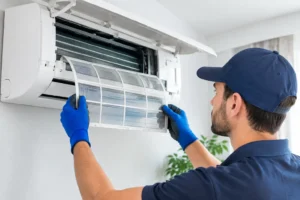
Filters are a particularly simple but important consideration. In homes, they may need cleaning at intervals based on usage and the manufacturer’s guidance. In commercial settings, where dust, cooking residues or higher occupancy can affect equipment more quickly, planned maintenance is even more valuable.
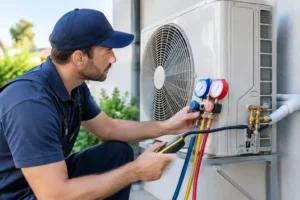
A professional service should check the condition and operation of the system, not simply clean the visible parts. Technicians can identify early signs of electrical faults, drainage issues, reduced efficiency or component wear before they develop into disruptive repairs. For a business, this helps protect trading conditions and staff comfort. For a homeowner or landlord, it helps extend the working life of the investment.
Refrigerants and Responsible System Choices
Air conditioning equipment is also changing because of environmental requirements around refrigerants. Newer systems generally use refrigerants with a lower global warming impact than many older installations. The exact refrigerant, available equipment and regulatory requirements can vary, so system selection should be based on current standards and the needs of the property.
For owners of older equipment, replacement is not always immediately necessary. If a system is operating reliably, can be maintained correctly and still meets requirements, continued servicing may be the sensible option. But where repairs are becoming frequent, cooling output is poor or energy use is noticeably high, upgrading can offer better comfort, lower consumption and improved long-term support.
This is where a no-obligation survey is useful. It gives you a clearer view of whether repair, maintenance or replacement represents the best value, rather than making a decision based solely on the age of the unit.
Practical Ways to Keep Air Conditioning Costs Sensible
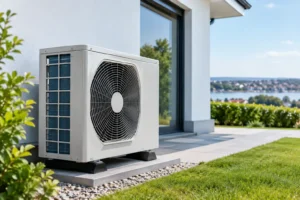
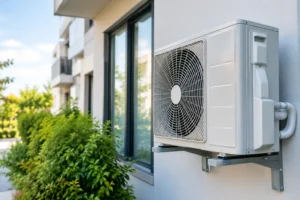
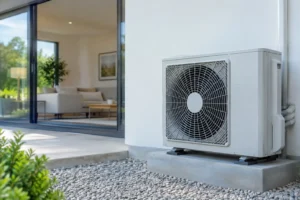
The most effective energy savings usually come from several small decisions working together. Keep doors and windows closed while cooling is running, use blinds or curtains to reduce strong solar gain, and avoid placing heat-producing appliances close to the thermostat. Make sure external units have adequate airflow and are not boxed in by storage or overgrown planting.
For businesses, staff guidance also makes a difference. If one person lowers the temperature while another opens a window, the system will work harder with little improvement in comfort. Simple agreed settings and a clear operating schedule prevent this avoidable waste.
Essex Air Conditioning can assess the layout, usage and demands of your home or premises before recommending a system. That local, practical approach matters because the most efficient air conditioning solution is rarely the most powerful one on paper. It is the one designed for the way your space is actually used.
If your current system is noisy, struggling to cool evenly or costing more than expected to run, do not wait for the next heatwave to expose the problem. A professional assessment can turn day-to-day discomfort into a clear plan for dependable, efficient cooling.