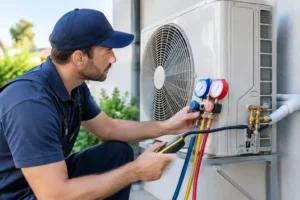
A system that suddenly blows warm air during a busy working day, leaks onto the floor or trips the electrics is more than an inconvenience. For homeowners and businesses, prompt aircon repairs Southend can prevent a small fault becoming an expensive breakdown, while getting comfort and normal routines back on track.
Air conditioning units are designed to work quietly and efficiently. When performance changes, the cause could be simple, such as a blocked filter, or more involved, such as a refrigerant leak or electrical component fault. The only sensible approach is a professional diagnosis that identifies the real issue rather than treating the symptom.
When to arrange aircon repairs in Southend
Cooling systems rarely fail without giving some warning. A unit may take longer to cool a room, make unfamiliar noises or need to run constantly to reach the set temperature. These signs should not be ignored, particularly in offices, shops, server rooms and rental properties where a loss of cooling can quickly affect occupants or operations.
Warm air from an indoor unit is one of the clearest warning signs. It can be caused by incorrect settings, restricted airflow, a failed fan, low refrigerant or a fault with the outdoor condenser. Switching the system off and on again may appear to help briefly, but it will not resolve an underlying mechanical or electrical issue.
Water dripping from the indoor unit is another common reason for a callout. Air conditioners naturally remove moisture from the air, which should leave through a condensate drain. If that drain becomes blocked, water can back up into the unit and leak into the room. Left unattended, this can lead to staining, damage to ceilings or walls, and unpleasant odours.
Unusual sounds also deserve attention. Rattling may point to loose panels or fixings, buzzing can indicate an electrical issue, and grinding or squealing may suggest a worn motor or fan component. A healthy unit should not need to compete with conversation in the room.
Other signs include weak airflow, unpleasant smells, repeated tripping of the fuse board, ice forming on pipework, or a noticeable rise in electricity use. Each has several possible causes. That is why accurate fault-finding matters more than guessing which part needs replacing.
Common faults found during aircon repairs Southend
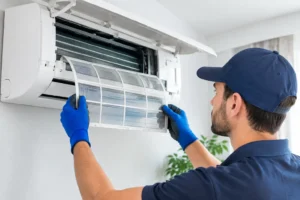
Many repair visits begin with checks that protect the system and rule out straightforward causes. Filters, coil condition, drainage, controller settings and electrical connections all affect performance. A heavily soiled filter, for example, restricts airflow and makes the unit work harder, reducing comfort while increasing running costs.
If basic checks do not reveal the fault, a technician will assess the indoor and outdoor units in more detail. Fan motors, capacitors, pumps, sensors, control boards and compressors can all develop faults over time. The appropriate repair depends on the unit’s age, condition, usage and the availability of compatible parts.
Refrigerant-related faults require particular care. Refrigerant is not a consumable that should simply be topped up whenever cooling drops. If the level is low, there may be a leak that needs locating and repairing first. Adding more refrigerant without addressing the cause can waste money and leave the system underperforming again soon afterwards. Work involving refrigerant must be completed by appropriately qualified professionals.
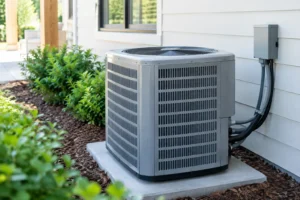
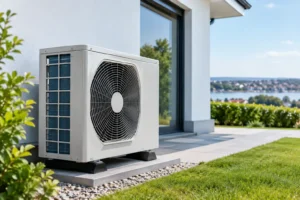
In coastal parts of Southend-on-Sea, outdoor units can also be exposed to salt-laden air and demanding weather conditions. Corrosion, debris and reduced airflow around a condenser can all affect efficiency. Regular inspections are especially worthwhile where equipment is installed close to the seafront or in exposed positions.
What a professional repair visit should involve
A proper repair process starts with listening to what has changed. Has the system stopped cooling entirely, become noisy, leaked water or shown an error code? Knowing when the issue began and whether it affects one room or several helps narrow down the likely cause.
The technician should then inspect the installation, test the system safely and explain the findings in plain terms. In some cases, the repair can be completed during the visit. In others, a replacement component may need to be sourced, particularly for older or specialist equipment. Clear advice on cost, timescales and whether a repair represents good value allows the customer to make an informed decision.
For commercial premises, the impact of downtime should be considered alongside the fault itself. A small office wall unit may be manageable for a short period, but cooling failure in a retail space, restaurant, treatment room or IT area can be more urgent. A local contractor can assess the practical priority and work towards restoring operation with minimum disruption.
Repair, maintenance or replacement?
Repairing an air conditioning system is often the most cost-effective option when the unit is relatively modern, well maintained and the fault is isolated. Replacing a fan motor, condensate pump or electrical component can extend the useful life of a quality system significantly.
There are occasions, however, when replacement deserves consideration. If a unit requires frequent callouts, uses an older refrigerant, has major compressor damage or no longer provides efficient heating and cooling, continuing to repair it may not be the best long-term choice. The decision should be based on the condition of the whole system, not simply the cost of the latest repair.
Maintenance can make a meaningful difference either way. Planned servicing helps keep filters, coils and drains clean, checks electrical connections, identifies worn parts early and confirms the unit is operating efficiently. It cannot prevent every breakdown, but it reduces avoidable faults and gives owners a clearer picture of the equipment’s condition.
For landlords and business operators with several units, regular maintenance also makes budgeting easier. Rather than waiting for a failure in the hottest week of the year, potential issues can be dealt with at a more convenient time.
Simple checks before booking a repair
There are a few safe checks that can be made before arranging a visit. Confirm that the controller is set to cooling or heating as required, that the target temperature is sensible, and that the unit has power. If accessible, inspect the filters and remove loose surface dust in line with the manufacturer’s instructions.
Do not remove electrical covers, interfere with refrigerant pipework or attempt to clear a serious blockage with improvised tools. If the system is leaking, making loud noises, smells of burning, or repeatedly trips the electrics, switch it off and arrange professional assistance. Continuing to run a faulty unit can increase damage and may create a safety risk.
Choosing a local air conditioning repair contractor
The lowest quote is not always the lowest overall cost. Effective repairs depend on correct diagnosis, suitable parts and workmanship that protects the rest of the installation. Look for a contractor with experience across domestic and commercial systems, clear communication and the ability to explain whether repair, servicing or replacement is the sensible next step.
Essex Air Conditioning provides practical support for customers across Southend and the wider Essex area, with experienced technicians able to assess faults in residential and commercial air conditioning systems. The aim is straightforward: identify the problem, recommend the right solution and restore dependable comfort without unnecessary work.
If your air conditioning is quieter, weaker, warmer or less reliable than it used to be, acting early is usually the best decision. A timely inspection can protect your equipment, your property and the comfort of everyone who relies on it.