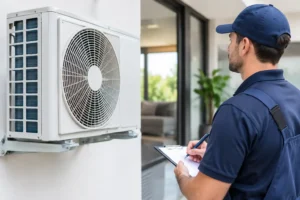
A new air conditioning system should provide dependable comfort for years, not leave you guessing who is responsible when something goes wrong. This aircon warranty guide UK explains what cover usually includes, what can invalidate it, and how homeowners and businesses can protect their investment from day one.
What does an aircon warranty usually cover?
Most air conditioning warranties are manufacturer warranties. They generally cover faults caused by defective components or manufacturing issues, such as a failed compressor, fan motor, circuit board or indoor unit component. The length of cover varies by manufacturer, product range and whether the system has been installed by an approved contractor.
A typical system may come with a standard parts warranty, while enhanced cover is sometimes available when the equipment is registered and installed correctly. Some manufacturers offer longer cover on selected components, particularly the compressor. However, the wording matters. A five-year warranty does not always mean five years of fully inclusive repair costs.
In many cases, the manufacturer supplies the replacement part but does not automatically cover labour, diagnostic time, access equipment, travel or refrigerant needed to complete the repair. Ask for the warranty terms in writing before installation, particularly for commercial premises where access and downtime can add to the cost of a repair.
Product warranty, installation warranty and workmanship
These terms are often grouped together, but they are not the same thing.
A product warranty relates to the air conditioning equipment itself. If a component develops a manufacturing fault within the stated period, the manufacturer may authorise a replacement part or repair.
An installation or workmanship warranty comes from the contractor. It covers defects arising from the installation, such as an incorrectly fitted condensate drain, poorly insulated pipework, loose electrical connections or an issue with the commissioning process. It will normally apply for a shorter period than the manufacturer warranty, but it is just as valuable.
Labour cover is separate again. Some installers include a period of labour cover with a new installation, while others charge for labour once the initial workmanship period has passed. There is no single UK standard, so it is sensible to confirm exactly what is included in your quotation.
The aircon warranty guide UK: conditions that matter
A warranty is not a blanket promise to repair every issue. It is a conditional agreement, and most conditions are reasonable when you consider how air conditioning systems operate. They need correct installation, clean airflow and routine attention to remain efficient.
The most common condition is professional installation. Split air conditioning systems contain refrigerant and must be installed, pressure-tested and commissioned by an appropriately qualified F-Gas engineer. A system fitted by an unqualified person, or altered afterwards by someone who is not competent, can leave you without valid manufacturer support.
Registration is another frequent requirement. Some manufacturers require the product to be registered within a set period after installation to activate extended warranty cover. Keep the commissioning paperwork, model and serial numbers, invoice and registration confirmation together. A photograph of the outdoor unit rating plate is useful if you ever need to make a claim.
Routine maintenance may also be a condition. For a domestic wall-mounted unit used occasionally, this may be relatively straightforward: clean filters regularly and arrange professional servicing at suitable intervals. For a shop, office, salon, restaurant or other commercial setting where units run for long periods, planned maintenance is more likely to be expected and may be required under the warranty terms.
What maintenance records should you keep?
Keep service reports that show the date, engineer details, checks completed and any remedial work advised. A proper visit may include filter cleaning, coil inspection, condensate drain checks, electrical testing, airflow assessment and a review of refrigerant performance where appropriate.
These records do more than support a warranty claim. They help identify small issues before they become expensive faults. A blocked drain can cause leaks, while restricted filters can force the system to work harder, reduce comfort and increase running costs.
What is normally excluded from air conditioning cover?
Wear and tear, accidental damage and lack of maintenance are commonly excluded. If filters have been neglected for months, coils are heavily contaminated, or an outdoor unit has been damaged by building work, a warranty claim is unlikely to be accepted.
The same applies to faults caused by misuse, unsuitable power supply, unauthorised repairs or alterations. For example, installing an oversized fuse, moving pipework after decorating, or repeatedly operating a system with known fault codes can create problems outside the manufacturer’s responsibility.
Cosmetic damage is usually excluded unless it was reported promptly after delivery or installation. Noise concerns can be more complex. A new or excessive noise may indicate a fault and should be investigated, but normal operating sounds, fan movement and changes during defrost cycles are not necessarily warranty issues.
Refrigerant leaks deserve particular care. A leak caused by a manufacturing defect may be covered, but a leak resulting from damaged pipework, external impact or later building work may not be. The engineer needs to locate the cause before anyone can say whether the repair falls under warranty.
Your rights if the installer or equipment supplier is at fault
A manufacturer warranty sits alongside your legal consumer rights. For homeowners, the Consumer Rights Act 2015 requires services to be carried out with reasonable care and skill, and goods to be of satisfactory quality, fit for purpose and as described.
That does not mean every issue years after installation is automatically the installer’s liability. The cause, age of the system, maintenance history and original agreement all matter. But if an installation defect becomes apparent, contact the company that carried out the work promptly and give them the opportunity to inspect and resolve it.
For landlords and commercial customers, the contractual position may be different, especially where equipment is supplied through a business-to-business agreement. Clear paperwork is therefore essential. Before approving a project, make sure the quotation states the equipment supplied, the warranty period, workmanship cover, maintenance expectations and any exclusions.
How to make an aircon warranty claim without delay
If your air conditioning system stops cooling, shows an error code, leaks water or makes an unusual sound, avoid repeated resets or attempting a repair yourself. Turn the system off if there is a safety concern, such as burning smells, electrical damage or significant water ingress.
Then contact your installer or maintenance provider with the system model, serial number, installation date and a clear description of the fault. Photographs or a short video can help where there is leaking, visible damage or an error display. The contractor can diagnose the issue and, where appropriate, liaise with the manufacturer for warranty authorisation.
Do not arrange work through an unrelated engineer before checking the warranty route unless there is an urgent safety or business-continuity reason. Unauthorised repairs can complicate a claim, especially if parts are changed before the original fault has been assessed.
Choosing cover that suits your property
The right level of protection depends on how much you rely on the system. A bedroom unit used during warm spells has different needs from a multi-room office, server room or customer-facing premises. Extended parts cover may be worthwhile for higher-value systems, but it is not a substitute for regular servicing and a responsive local repair option.
For homes and businesses across Essex, the strongest position is simple: choose quality equipment, use experienced F-Gas-qualified installers, retain every document and maintain the system properly. Essex Air Conditioning can explain the warranty arrangements for your proposed system before work begins, so you know exactly what is covered and what support you can expect if a problem arises.
A warranty is most useful before a fault occurs. Ask the right questions at quotation stage, keep a clear maintenance record and act early when performance changes. That approach protects your cover, your comfort and the long-term value of your air conditioning system.